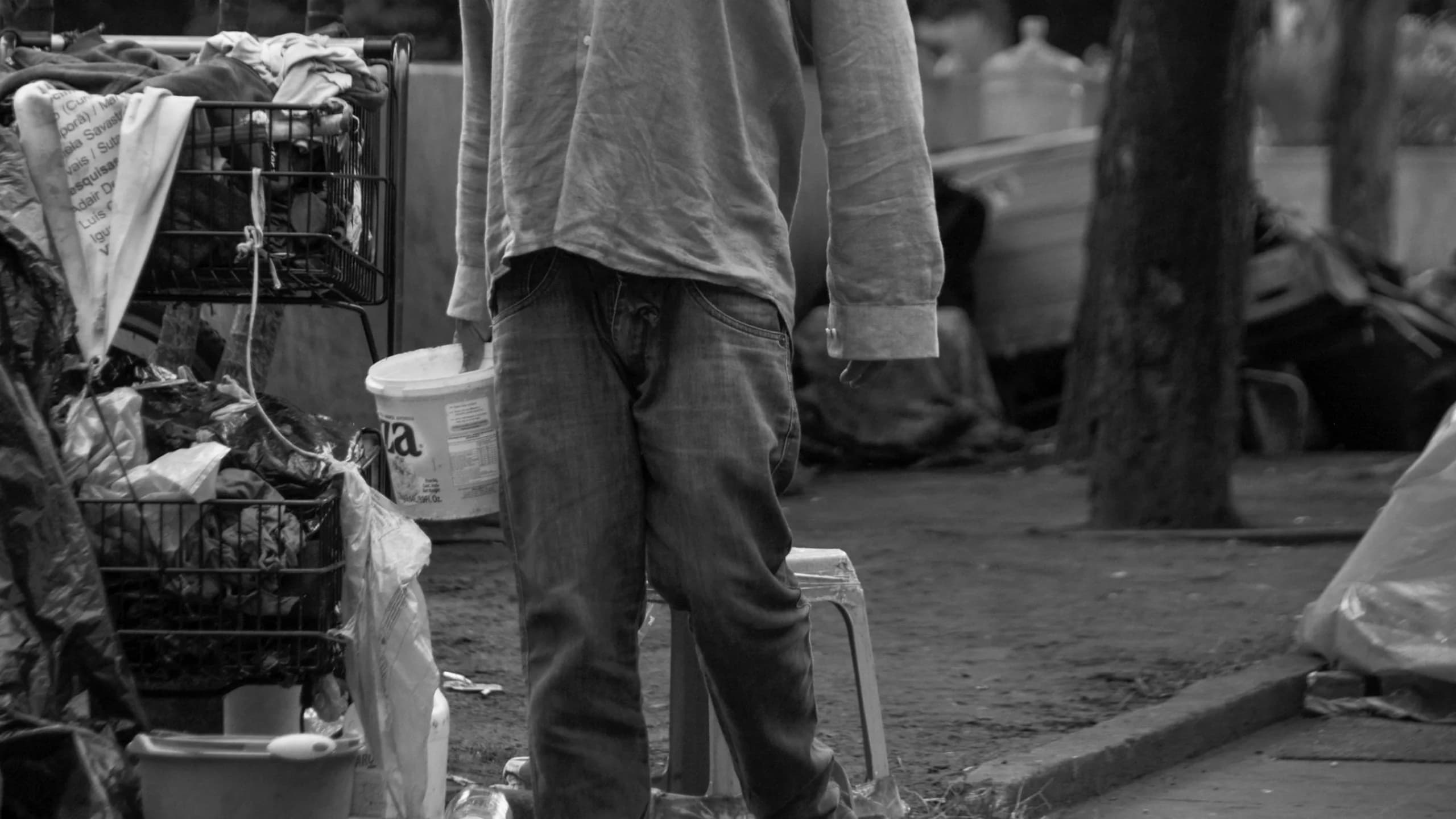
You can't get back on your feet if you can't put your things down.
Bins for the Homeless provides free, secure storage to people experiencing homelessness in Lawton, Oklahoma — so they can go to the interview, the appointment, the shelter intake, without losing everything they own.
Get Involved →The invisible wall
Every system designed to help a person experiencing homelessness assumes one thing: that they can leave their belongings somewhere safe while they go do the thing that's supposed to help them.
Fill out paperwork at Social Security. Sit in a waiting room at the VA. Check into a shelter. Show up to a job site.
For someone carrying everything they own — documents, medication, blankets, clothing, the last photograph of someone they loved — that assumption is a wall. Not a metaphorical wall. A physical, logistical, daily impossibility that stands between where they are and everywhere they're trying to go.
"I missed out on job interviews because of the heavy load. Carrying around my personal belongings, it wore out every part of my well-being: my mental, my physical and my spiritual, not to mention my emotional."
A survey of homeless individuals in Minneapolis found that 75% named carrying their belongings as their top concern after housing itself. The same population reported chronic pain — neck, back, shoulders — from the daily physical burden of owning things with nowhere to put them.
Every city that tried this watched the same thing happen
San Diego
Minneapolis
Portland
Phoenix
Kansas City
The Pattern
The cost of doing nothing vs. the cost of a bin
A storage bin costs less than a single night in a holding cell. Less than a single emergency room visit. Roughly one-half of one percent of the annual public burden of one chronically homeless individual. The economics aren't ambiguous. The question is whether we keep destroying the things people need to recover, or give them a place to put those things down.
Why we're starting in Lawton
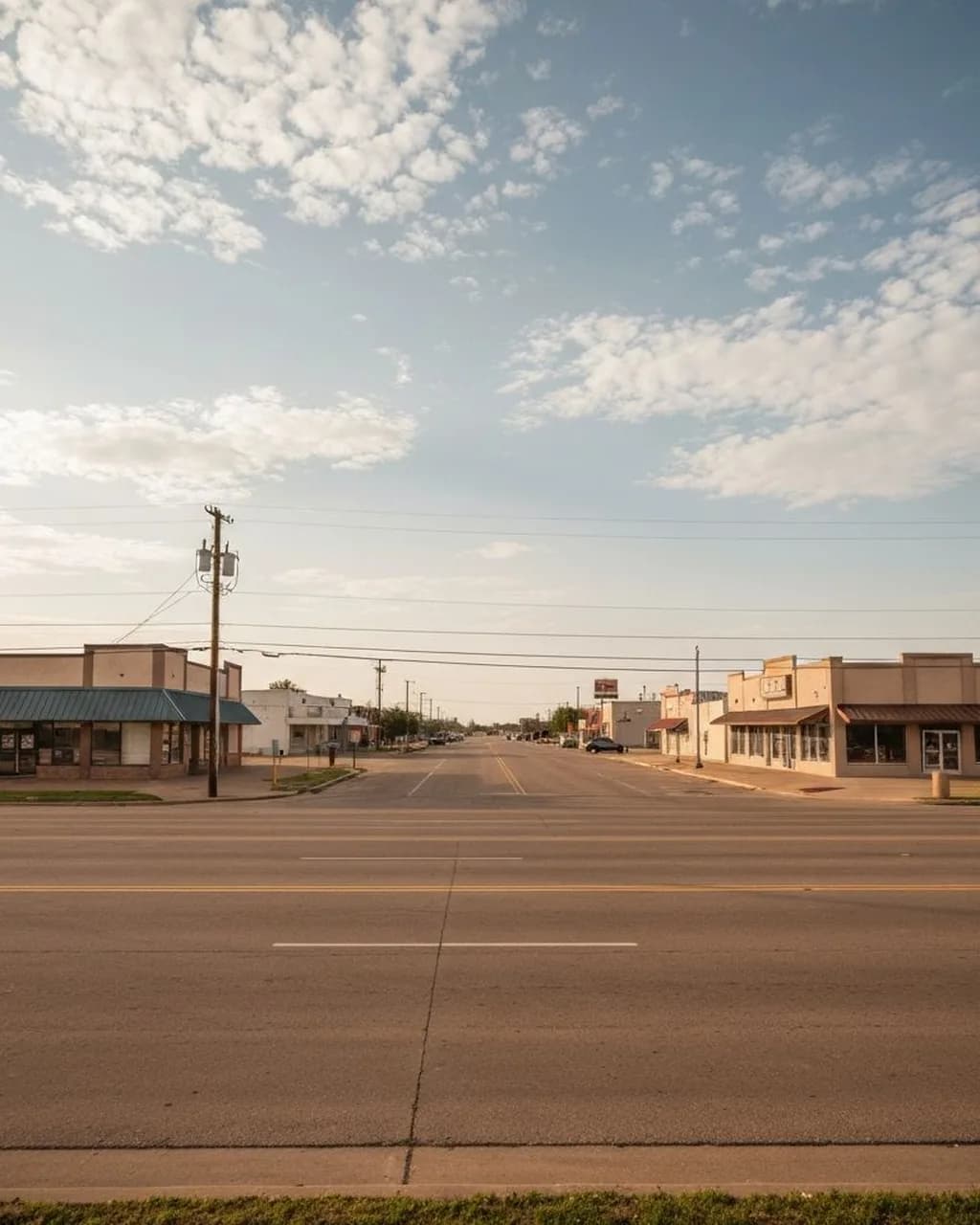
Lawton, Oklahoma — home to Fort Sill and a city of 90,000 — has an estimated 350 or more residents experiencing homelessness, three shelters that cannot absorb them, an anti-camping ordinance that took effect in October 2024, and zero dedicated secure storage.
The city's primary alternative for people sleeping outside has been a bus ticket somewhere else.
We believe Lawton deserves better than that. So do the people living through it.
How it works
Partner
We work with shelters, churches, outreach teams, and service organizations in Lawton who already have trusted relationships with people on the streets. They know who needs a bin.
Provide
Each person receives a heavy-duty rolling bin with integrated locking hardware, stored at a secured partner site. No fees. No conditions. No hoops.
Free them up
Belongings go in. The bin stays at the site. They go live their day — the interview, the appointment, the meal, the shelter intake. When they come back, their things are exactly where they left them.
A bin costs $80. A barrier disappears.
$80 secures one bin — one person's belongings, locked and safe. $400 deploys five. $4,000 covers a full 50-bin deployment: enough to serve Lawton's most immediate need and prove the model works.
Every dollar goes to bins, locks, site coordination, and getting this stood up. We publish our costs and our count as we go.
Our 501(c)(3) application is currently pending. We'll notify all supporters when tax-deductible status is confirmed.
Get Involved →Our commitment
We will never charge for storage.
We will never impose conditions on who qualifies.
We will never treat the ability to set your belongings down safely as something a person has to earn.
Bins for the Homeless
A program of Dignity for the Homeless Oklahoma · Lawton, Oklahoma
Because you can't get back on your feet if you can't put your things down.